Best IVF and Fertility Clinics in Spain
Find the best IVF and fertility clinic in Spain for you. Compare patient reviews, treatment options and IVF costs in Spain.
Top IVF Clinics in Spain— Page 10
Compare IVF treatment costs and patient ratings across fertility clinics in Spain.
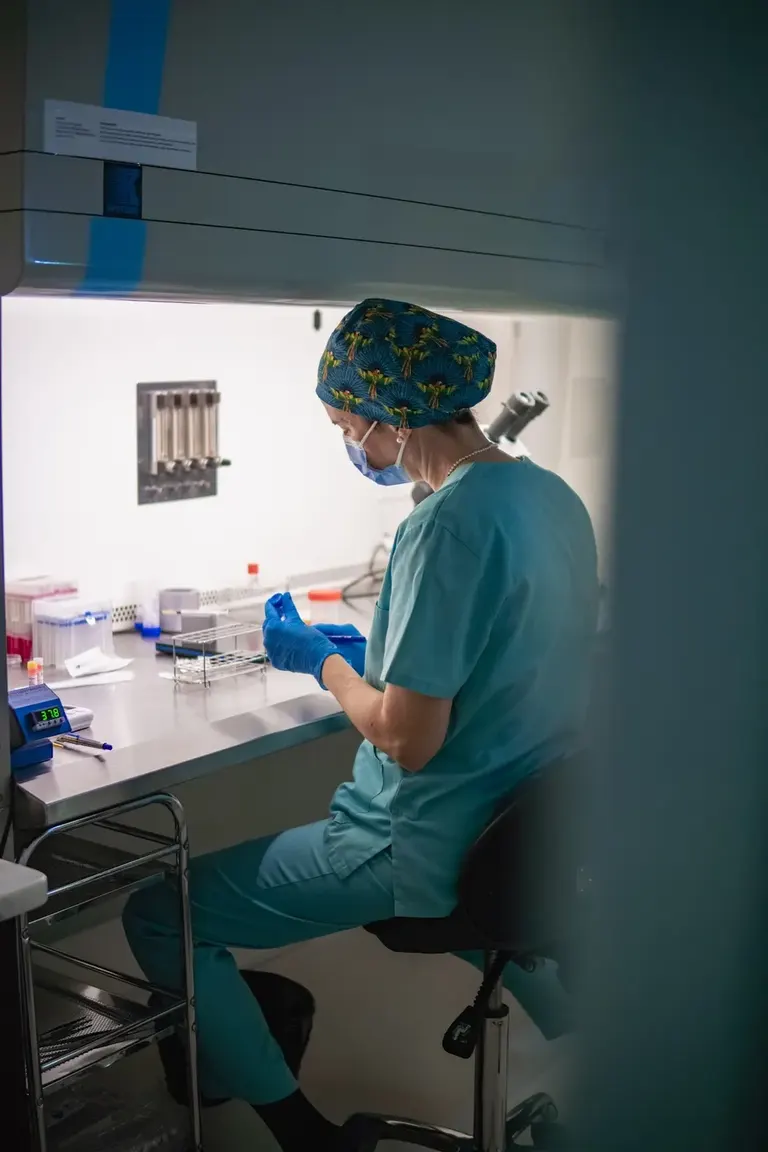
NOVA FIV Fertility Centre Clínica de Reproducción Asistida en Jerez
NOVA FIV Fertility Centre Clínica de Reproducción Asistida en Jerez is a highly-regarded fertility clinic…

NIDA - Clínica de Fertilidad y Reproducción Asistida
NIDA - Clínica de Fertilidad y Reproducción Asistida in Vigo, Spain, is a state-of-the-art fertility…

FIV Ochoa - Reproducción Asistida Marbella
FIV Ochoa - Reproducción Asistida Marbella is a distinguished fertility clinic in Málaga, Spain, renowned…

Vida Fertility Institute
Vida Fertility Institute in Madrid, Spain, is an assisted reproduction clinic providing initial visits that…

Grisreproduccion

Dona i Nen Fertility
Dona i Nen Fertility in Barcelona, Spain provides specialized care with options including In Vitro…

ICOFER Clínica de Reproducción Asistida
ICOFER Clínica de Reproducción Asistida in Córdoba, Spain provides individualized fertility treatments and reproductive technologies.

Fertility Benidorm l Clínica de Reproducción Asistida en Alicante
Fertility Benidorm l Clínica de Reproducción Asistida en Alicante is a highly regarded fertility clinic…

IVI Alicante - Clínica de Reproducción Asistida y Fertilidad
IVI Alicante - Clínica de Reproducción Asistida y Fertilidad provides assisted reproduction and fertility services…

Zygos, Clínica Orensana de Reproducción Asistida
Zygos, Clínica Orensana de Reproducción Asistida in Ourense, Spain provides treatments such as Inseminación Artificial…

Centro de Fertilidad Barcelona
Centro de Fertilidad Barcelona in Barcelona, Spain offers advanced fertility treatments. Clinical focus and indications:…
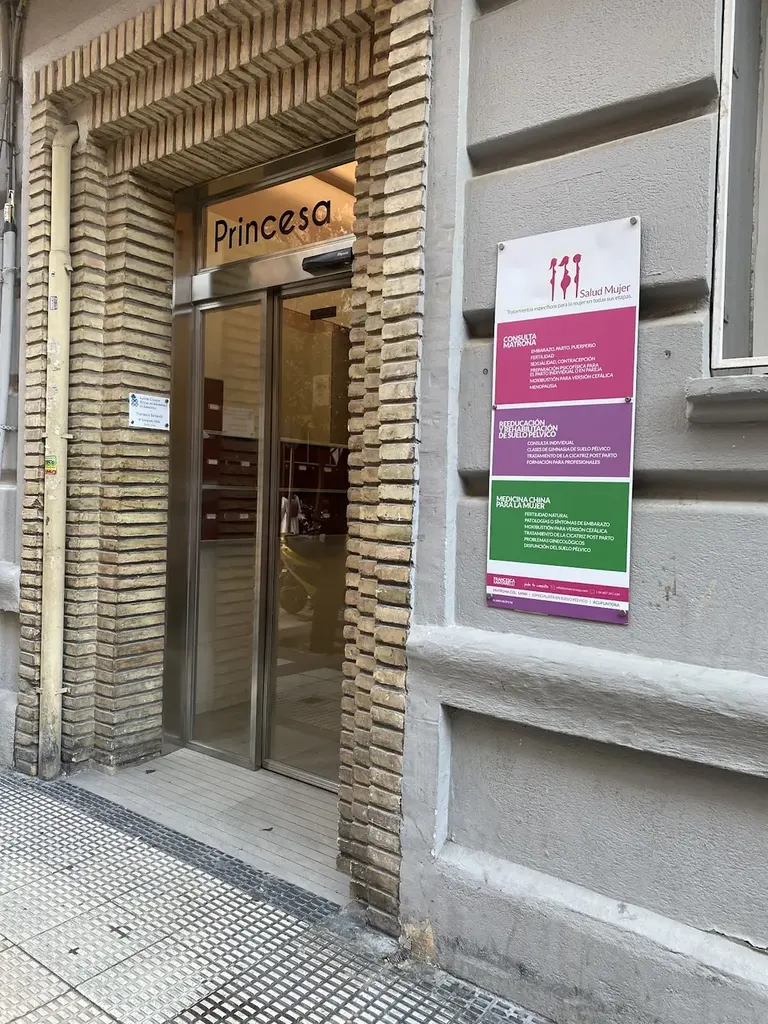
CENTRO SANTARELLI TuMatronaZaragoza_francescasantarelli
IVF success rates in Spain
Explore national outcomes for donor eggs, frozen embryo transfers and fresh IVF or ICSI. Find your age group and treatment, and compare with the EU reference where equivalent data are available.
| Recipient age | Country | EU median |
|---|---|---|
| <34 years | 54.1% | 45.7% |
| 35–39 years | 50.8% | 45.5% |
| 40+ years | 48.5% | 41.7% |
Age of the recipient · donor treatment combined
EU median: 16 reporting EU countries
| Age group | Country | EU median |
|---|---|---|
| <34 years | 45.8% | 38.8% |
| 35–39 years | 39.2% | 32.8% |
| 40+ years | 28.2% | 27.9% |
Own eggs · frozen IVF / ICSI embryos
EU median: 18 reporting EU countries
| Age group | Country | EU median |
|---|---|---|
| <34 years | 18.9% | 25.6% |
| 35–39 years | 17.6% | 20.2% |
| 40+ years | 10.2% | 10.1% |
Own eggs · fresh ICSI treatment
EU median: 19 reporting EU countries
Each table measures a different treatment stage: transfer, thawing or egg collection. Compare the same treatment and age group across countries.
The EU reference is the median of available EU-27 country rates for the same treatment, age band and year (2020). Each country has equal weight. It describes the middle country result, not the pooled success rate of all EU patients.
Source: ESHRE / European IVF Monitoring
About these statistics
These are clinical pregnancy rates, rather than birth rates or the cumulative chance of a baby from a full course of treatment. The 2020 reporting year was affected by the pandemic. Patient populations, registry coverage and reporting completeness differ between countries.
Age bands follow the source labels: <34, 35–39 and 40+. The source does not clarify the boundary for age 34. Donor results use recipient age and combine donor treatment variants. Age-specific cohort sizes and separate donor transfer variants are not provided in these tables. “Not published” means this report provides no corresponding age-specific rate.
EU-27 membership is used for the benchmark. Missing country rates are omitted, never counted as zero. Non-EU reporting countries are excluded from the reference. Country rates are descriptive; differences do not establish clinic quality or a personal prognosis.
Questions to ask your clinic
- What are your clinical pregnancy and birth outcomes for patients of my age using the same egg source?
- Is the rate per started cycle, per egg collection, per thawing cycle or per transfer?
- Which treatment years and how many cases are included, and how do you account for missing follow-up?
- How do you follow up outcomes for patients who return to another country?
Popular Destinations in Spain
Explore popular cities and regions in Spain.


Frequently Asked Questions
Common questions about IVF in Spain.
In Spain, egg donation is generally anonymous, as established by Law 14/2006 on Assisted Human Reproduction Techniques.
This means the identity of the egg donor is not revealed to the recipients or the child born from the donation under typical circumstances, though there are exceptions for situations involving serious health risks to the child where disclosure is necessary. Both recipients and donor-conceived children are entitled to non-identifying information about the donor, such as medical history and physical traits.
Currently, there is discussion surrounding potential legal reforms to end donor anonymity in Spain, with proposals from the Committee of Bioethics to align with international trends, but the existing law continues to uphold anonymity as of the present time.