Best IVF and Fertility Clinics in Serbia
Find the best IVF and fertility clinic in Serbia for you. Compare patient reviews, treatment options and IVF costs in Serbia.
Top IVF Clinics in Serbia
Compare IVF treatment costs and patient ratings across fertility clinics in Serbia.

Pronatal Beograd
Located in Belgrade, Serbia, Pronatal Beograd provides fertility care using stimulation protocols with GnRH agonists…
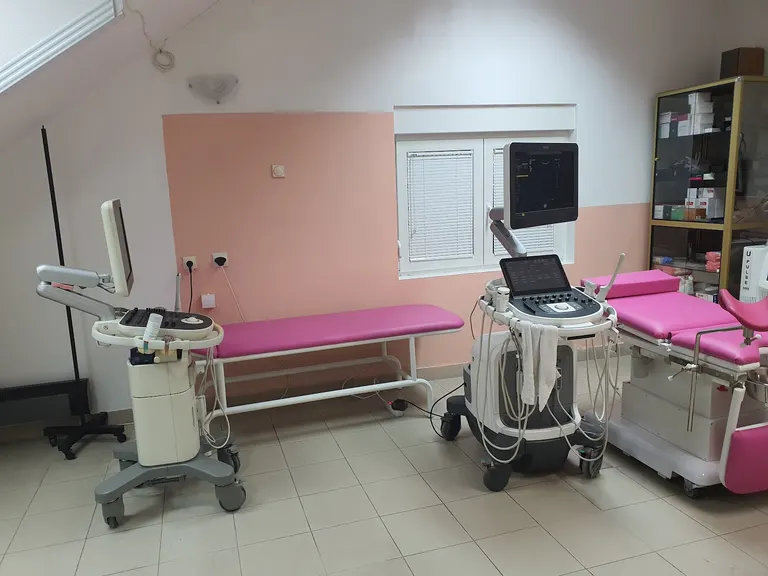
Medica Centar
Medica Centar is a gynecology and obstetrics clinic in Niš, Serbia, offering comprehensive care since…
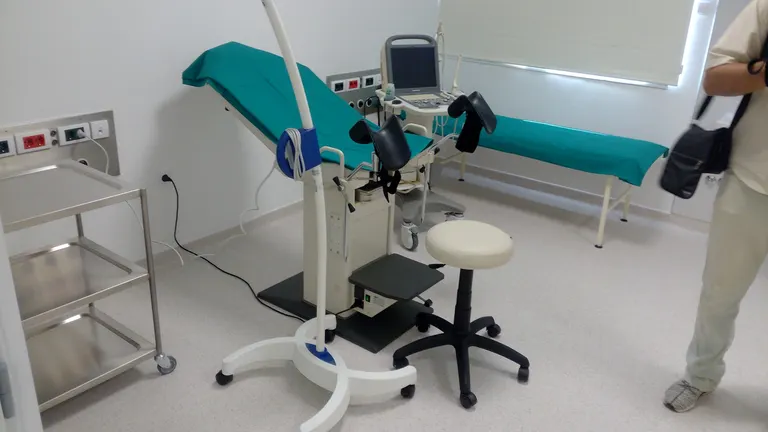
Centar za vantelesnu oplodnju

Специјална гинеколошка болница Београд
Специјална гинеколошка болница Београд is a private clinic in Belgrade, Serbia, specializing in gynecology and…
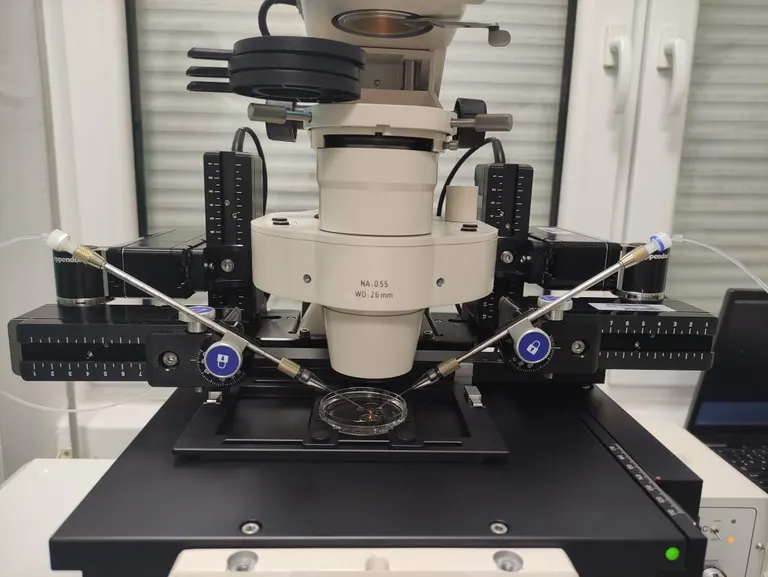
Clinic Spebo
Clinic Spebo is a specialised fertility hospital located in Leskovac, Serbia. Core treatments: Its laboratory…
Specijalna ginekoloska bolnica JEVREMOVA
Specijalna ginekoloska bolnica JEVREMOVA in Belgrade, Serbia, is a highly regarded fertility clinic specializing in…
IVF age limits and treatment requirements in Serbia
Serbia regulates treatment and reproductive-cell banking through licensed services. The cited Ministry guidance confirms donor programmes but does not establish every current single-woman or female-couple eligibility condition. Confirm the treatment pathway and any public-programme criteria separately.
Check IVF laws in Serbia- Age limits
- Procedure-specific age assessment
- Patient eligibility
- Eligibility depends on the treatment pathway
- Donor identity
- Anonymous donation; limited medical information
- Foreign patients
- Confirm access with provider
IVF success rates in Serbia
Explore national outcomes for donor eggs, frozen embryo transfers and fresh IVF or ICSI. Find your age group and treatment, and compare with the EU reference where equivalent data are available.
| Recipient age | Country | EU median |
|---|---|---|
| <34 years | Not published | 45.7% |
| 35–39 years | Not published | 45.5% |
| 40+ years | Not published | 41.7% |
Age of the recipient · donor treatment combined
EU median: 16 reporting EU countries
| Age group | Country | EU median |
|---|---|---|
| <34 years | Not published | 38.8% |
| 35–39 years | Not published | 32.8% |
| 40+ years | Not published | 27.9% |
Own eggs · frozen IVF / ICSI embryos
EU median: 18 reporting EU countries
| Age group | Country | EU median |
|---|---|---|
| <34 years | 31.4% | 25.6% |
| 35–39 years | 26.1% | 20.2% |
| 40+ years | 9.5% | 10.1% |
Own eggs · fresh ICSI treatment
EU median: 19 reporting EU countries
Each table measures a different treatment stage: transfer, thawing or egg collection. Compare the same treatment and age group across countries.
The EU reference is the median of available EU-27 country rates for the same treatment, age band and year (2020). Each country has equal weight. It describes the middle country result, not the pooled success rate of all EU patients.
Source: ESHRE / European IVF Monitoring
About these statistics
These are clinical pregnancy rates, rather than birth rates or the cumulative chance of a baby from a full course of treatment. The 2020 reporting year was affected by the pandemic. Patient populations, registry coverage and reporting completeness differ between countries.
Age bands follow the source labels: <34, 35–39 and 40+. The source does not clarify the boundary for age 34. Donor results use recipient age and combine donor treatment variants. Age-specific cohort sizes and separate donor transfer variants are not provided in these tables. “Not published” means this report provides no corresponding age-specific rate.
EU-27 membership is used for the benchmark. Missing country rates are omitted, never counted as zero. Non-EU reporting countries are excluded from the reference. Country rates are descriptive; differences do not establish clinic quality or a personal prognosis.
Questions to ask your clinic
- What are your clinical pregnancy and birth outcomes for patients of my age using the same egg source?
- Is the rate per started cycle, per egg collection, per thawing cycle or per transfer?
- Which treatment years and how many cases are included, and how do you account for missing follow-up?
- How do you follow up outcomes for patients who return to another country?
Popular Destinations in Serbia
Explore popular cities and regions in Serbia.


Frequently Asked Questions
Common questions about IVF in Serbia.
IVF is legal in Serbia, governed by the Law on Biomedically Assisted Fertilization (BAF) which was enacted on January 8, 2022.
This law replaced the previous legislation from 2009 and establishes a framework overseen by the Ministry of Health. The regulations allow access to IVF for heterosexual couples, both married and unmarried, as well as single women, but exclude single men and same-sex couples. The use of donor eggs and sperm is permitted, though not combined in the same cycle, and embryo donation is also legal.
Important aspects of the law include a prohibition on surrogacy, restrictions against sex selection for non-medical reasons, a limit of two embryos transferred per cycle, and no upper age limit for women using their own eggs. Both partners are required to undergo screening for specific infectious diseases before treatment begins.